The Shift Toward Smarter Retail Display Solutions
Walk into almost any retail store today and you’ll notice something changed. Stores aren’t just stacking products on shelves anymore. The old setup felt stiff. Same layout. Same look. Customers got used to it and honestly... they stopped noticing. Retail spaces need movement now. They need flexibility. That’s where modular retail display systems started becoming a big deal.
These systems let retailers rearrange layouts without rebuilding entire sections of a store. It sounds simple but it solves a real problem. Consumer behavior changes fast. Seasonal campaigns change. Product lines expand. Stores need displays that move with them, not against them. A lot of brands figured that out the hard way.
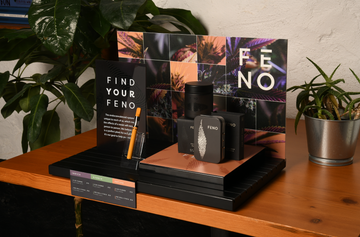
Why Traditional Fixtures Started Feeling Outdated
Years ago, retailers installed fixed display units and expected them to last forever. Makes sense at first. Spend once, use for years. But over time things got messy. Products changed sizes. Marketing trends shifted. Suddenly stores were stuck with displays that worked for another era.
Customers notice stale environments even if they don't realize it consciously. People walk into stores and instantly pick up a feeling. Something fresh feels exciting. Something old feels... ignored. Fixed shelving creates limits. And limits usually become expensive.
That’s partly why custom retail displays gained attention. Businesses wanted something designed around their products and customer flow rather than squeezing products into generic fixtures.
Flexibility Matters More Than Most Retailers Expect
Retail can change in a week. Seriously. A promotion launches, new products arrive, a holiday season starts, and suddenly an entire floor layout needs adjustment. That happens all the time.
With modular retail display systems, retailers can swap shelves, reposition sections, add display pieces or remove them with far less effort. No demolition. No huge installation project. Just adjustments.
And stores appreciate that because downtime costs money. Simple truth. Every day spent rebuilding a layout can affect sales. Flexible systems keep stores moving.
Custom Retail Displays Create Stronger Brand Identity
A store should feel like the brand itself. Sounds obvious but many businesses miss this completely.
You walk into some stores and honestly you could replace the logo and never notice the difference. Same racks. Same shelving. Same structure. Nothing memorable. That becomes a problem when brands compete for attention.
Custom retail displays help create visual identity inside the physical shopping experience. Colors, materials, textures and layout choices all shape customer perception. Small details matter more than people think.
Customers remember experiences. Not shelves.
Better Product Visibility Changes Buying Behavior
People usually buy what they notice first. Retailers have known this forever.
Placement changes behavior. Height matters. Angles matter. Lighting definitely matters. And display systems affect all of it. Modular retail display systems allow stores to highlight specific products without redesigning the whole environment.
Some products deserve front-and-center placement during certain seasons. Others need support displays near checkout areas. Retailers testing layouts often discover surprising things too. Products expected to perform poorly suddenly take off after a simple reposition.
Retail gets weird sometimes.
Retail Stores Need Adaptability For Seasonal Changes
Holiday shopping creates chaos. Summer campaigns feel different from winter promotions. Back-to-school setups don't look anything like spring collections.
Stores with rigid layouts often struggle during these transitions. Teams spend days moving heavy fixtures around. Sometimes entire displays sit unused because changing them feels like too much work.
Modular systems solve part of that headache. A display built for flexibility can shift with changing needs. Retail workers appreciate that too, even if they rarely say it out loud.
Less lifting. Less stress. Faster setup.
Smaller Retail Spaces Benefit Even More
Big chains usually have room to experiment. Smaller businesses don't always have that luxury.
Space becomes valuable really fast inside compact stores. Every corner matters. Every wall section matters. Dead space hurts. That's why modular retail display systems often make even more sense for smaller retailers.
Display sections can work double duty. Wall systems convert into promotional spaces. Freestanding units shift based on inventory levels. It creates breathing room without requiring more square footage.
Sometimes smart design beats bigger space. Happens all the time.
Retail Technology Works Better With Modular Displays
Retail technology keeps evolving. Interactive displays, digital signage, QR integration, touchpoints. Stuff changes every year.
The challenge is fitting new technology into existing store designs. Old systems usually resist change. Newer modular layouts make technology upgrades easier because components adapt over time.
Retailers avoid tearing everything apart every time they introduce new customer experiences. That saves money and headaches. Probably aspirin too.
Many businesses are now combining custom retail displays with integrated digital elements for stronger customer engagement.
Cost Savings Aren’t Always Obvious At First
People sometimes assume modular systems cost more upfront. Sometimes they do. Sometimes not. But looking only at installation cost misses the bigger picture.
Replacing traditional fixtures repeatedly becomes expensive. Rebuilding layouts adds labor costs. New installations create downtime.
Modular systems reduce repeat spending over years. Retailers reuse pieces instead of replacing entire structures. That's where the long-term value starts showing itself.
Not flashy savings. Real savings.
Conclusion
Retail isn't standing still anymore. Customer expectations move too fast. Store environments need to evolve with product trends, marketing campaigns, and changing shopping habits. That’s really where modular retail display systems earn their place.
They're flexible. Practical. Easier to update. And paired with strong custom retail displays, they help brands create spaces customers actually remember. Stores today need more than shelves holding products. They need environments people want to walk through.
Simple idea, really. Adapt or get ignored.
FAQs
What are modular retail display systems?
Modular retail display systems are flexible fixture setups built from interchangeable parts that can be rearranged or expanded based on store needs and product changes.
Why are modular retail display systems important?
They help retailers adapt layouts quickly, reduce renovation costs, improve product visibility, and create better customer shopping experiences.
How do custom retail displays support branding?
Custom retail displays reflect brand identity through tailored design elements such as colors, structure, materials, and layout choices.
Are modular retail display systems expensive?
Initial costs can vary, but long-term savings often outweigh upfront investment because businesses reuse components instead of replacing entire displays.
Can small stores benefit from modular display systems?
Absolutely. Smaller stores often gain the most because flexible display solutions maximize limited floor space and improve layout efficiency.