Comfort Food Is Not Always Heavy Food
People usually think comfort food has to be rich and overloaded. Fried meals, creamy sauces, giant portions. But authentic South Indian cooking proves comfort can feel completely different. Lighter. Warmer. More balanced somehow.
That’s probably why more people searching for south indian meals near me keep coming back after trying it once. The food satisfies you without making you feel exhausted afterward. A bowl of hot sambar with rice can calm someone down faster than a greasy takeout combo honestly.
It feels homemade even when you eat it in a busy restaurant. That’s rare now.
The Smell Alone Feels Familiar Somehow
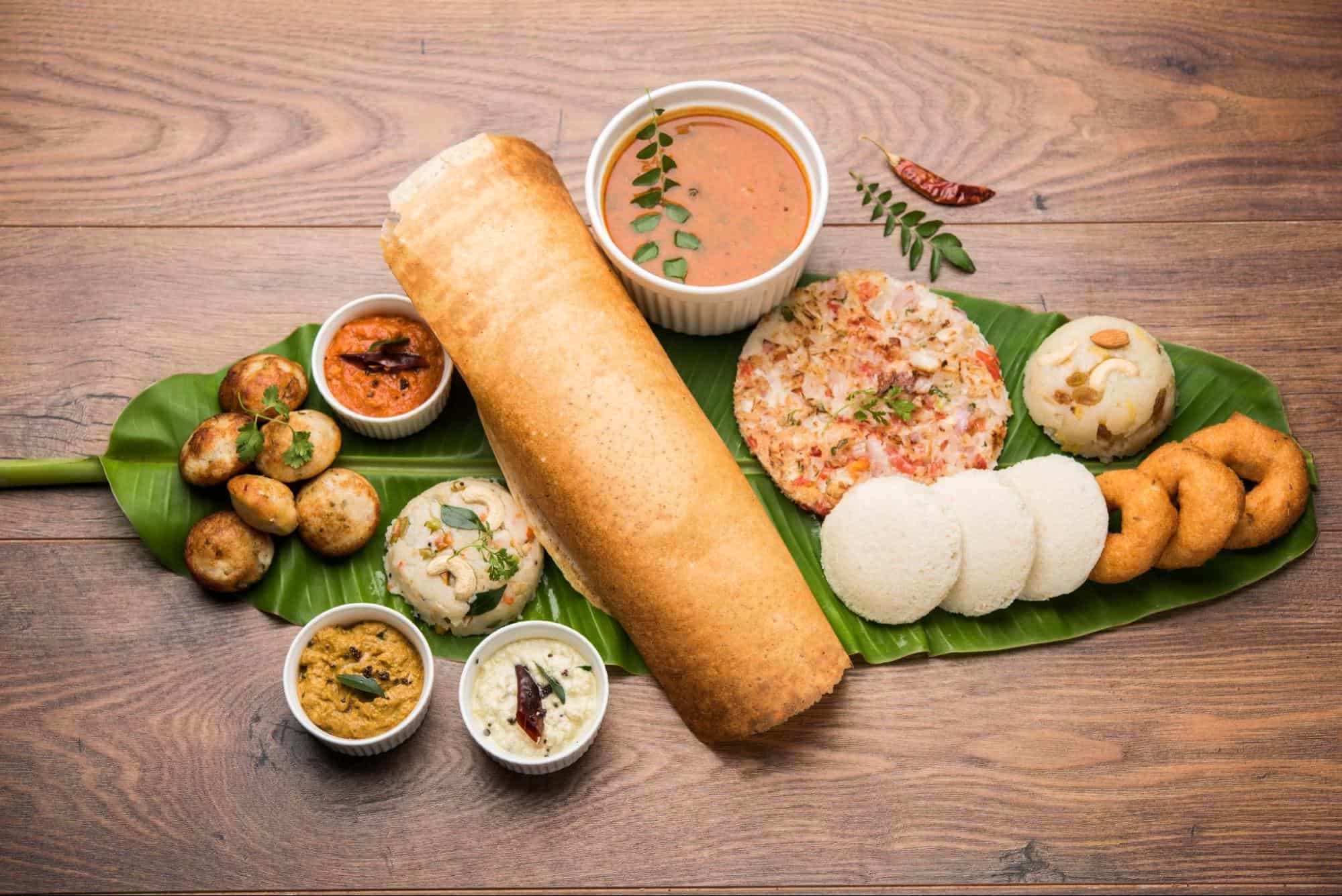
One thing South Indian cooking does really well is aroma. The second mustard seeds hit hot oil with curry leaves, people notice it instantly. Doesn’t matter if they grew up eating the cuisine or not. The smell feels welcoming in this weirdly universal way.
A lot of baltimore indian restaurants that focus on authentic South Indian dishes understand this. The kitchen smells become part of the experience before the food even reaches the table. Coconut, black pepper, roasted lentils, tamarind. Those ingredients create warmth naturally.
Not fake artificial warmth either. Real cooking smells. The kind people remember later.
Fermented Foods Create A Different Kind Of Satisfaction
Dosa and idli are comforting partly because of the fermentation process. The batter develops flavor slowly over time instead of being rushed. You can actually taste that difference.
Fresh dosa has crisp edges but still feels light. Idli stays soft without feeling doughy. Those textures matter more than people realize. Food comfort is not just flavor. Texture changes everything too.
That’s another reason searches for south indian meals near me keep increasing. People are tired of overly processed meals where every bite feels identical. South Indian cooking still carries little imperfections. Slight variation in crispness. Different chutney consistency each day. It feels human.
Sambar Feels Like The Definition Of Warmth
Honestly, sambar might be one of the most comforting dishes ever made. It’s simple but layered at the same time. Lentils, vegetables, tamarind, spices simmered together slowly. Nothing flashy about it.
But when you eat hot sambar with rice or dosa, especially during cold weather or stressful days, it hits differently. The warmth spreads slowly instead of overwhelming you.
That’s why people who visit baltimore indian restaurants often end up talking about the sambar unexpectedly. They come in expecting dosa to be the star, then suddenly become obsessed with the side bowl nobody warned them about.
Good sambar sticks in your memory for weirdly long.
South Indian Meals Feel Built For Everyday Life
Some foods feel like occasional treats. South Indian meals usually feel sustainable instead. You can eat them regularly without getting tired of them fast.
Curd rice after a long day feels calming. Lemon rice works when you want something sharp and bright. Pongal feels soft and grounding during mornings. None of these dishes scream for attention, and maybe that’s exactly why people connect with them emotionally.
There’s comfort in food that doesn’t try too hard.
A lot of south indian meals near me searches happen because people want meals they can depend on consistently. Not trendy food. Dependable food.
That difference matters more than restaurants sometimes realize.
Coconut And Spice Create Balance Together
South Indian cooking understands balance really well. Spice exists, obviously. But heat usually gets balanced with coconut, yogurt, lentils, or rice. The meals rarely feel aggressive unless they’re supposed to.
That balance changes how the comfort works. You taste spice without punishment. Flavor without heaviness. Warmth without feeling overloaded after dinner.
Some baltimore indian restaurants do this incredibly well when they stay authentic instead of adjusting every dish for generic expectations. The food feels calmer somehow. More natural.
People notice when flavors taste connected instead of chaotic.
Eating With Hands Makes The Experience More Personal
A lot of people discover this accidentally. Eating dosa or rice meals with your hands changes how connected the food feels. It slows you down a little. Makes the meal more physical and less automatic.
That’s part of why authentic South Indian meals feel comforting too. There’s less distance between the person and the food. It feels grounded. Direct.
Not everyone does it obviously, especially in restaurants. But even watching traditional serving styles changes the atmosphere around the meal. Steel plates, banana leaves in some places, shared chutneys. The whole setup feels less corporate than standard dining experiences.
People are craving that kind of authenticity now, even if they don’t describe it that way.
Family Recipes Carry Emotional Weight
Many South Indian restaurants still rely heavily on family recipes passed through generations. You can usually tell when that’s happening. The food tastes less engineered.
Measurements become instinctive instead of mechanical. Sambars vary slightly. Chutneys change texture day to day. Certain spices come forward differently depending on who cooked that morning.
Those little inconsistencies actually create comfort. Perfectly standardized food often feels emotionally flat after a while.
That’s why some smaller baltimore indian restaurants develop loyal followings quietly. Customers feel attached to the cooking itself, not just the menu items.
People remember food that feels personal.
The Simplicity Is What Makes It Special
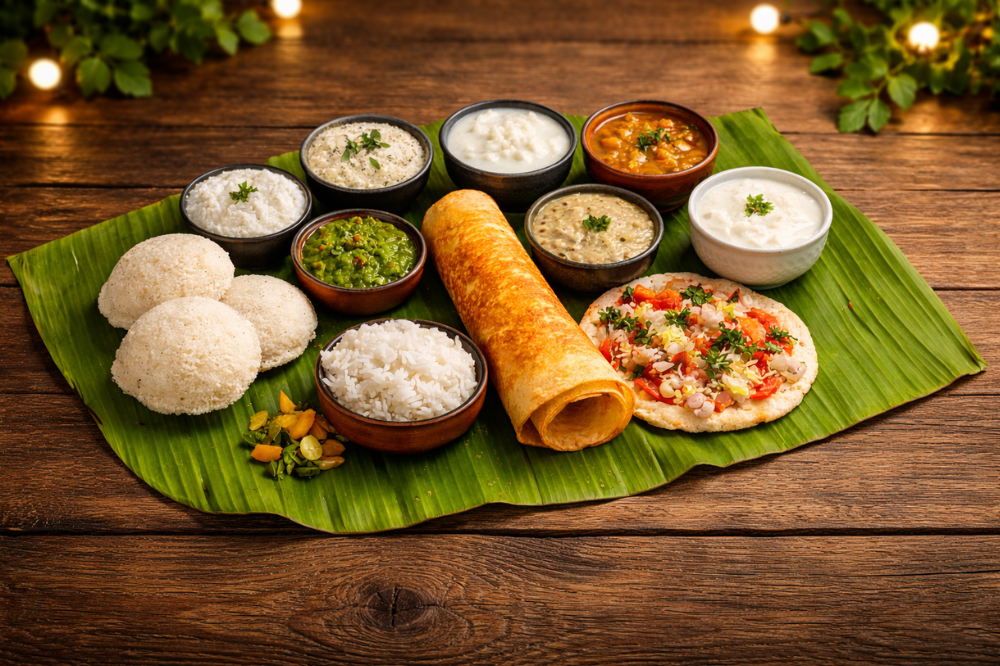
South Indian cuisine doesn’t always rely on expensive ingredients or dramatic presentation. A lot of dishes are incredibly simple at their core. Rice. Lentils. Curry leaves. Coconut. Tamarind.
But simplicity done properly can feel deeply comforting. Maybe even more comforting than elaborate meals sometimes.
A crispy dosa with fresh coconut chutney can completely satisfy someone without needing giant portions or overloaded toppings. Same with idli and sambar. The dishes leave room for the ingredients to actually taste like themselves.
That’s becoming more valuable now because people are exhausted by overcomplicated restaurant food.
Conclusion
Authentic South Indian cooking feels comforting because it balances everything naturally. Flavor without heaviness. Spice without overload. Simplicity without boredom. The meals feel warm, dependable, and deeply human in a way processed food usually doesn’t.
That’s why searches for south indian meals near me continue growing. People are not only looking for food anymore. They’re looking for meals that feel grounding after long stressful days.
And many baltimore indian restaurants are finally giving customers exactly that. Real regional cooking. Fresh dosa batter. Proper sambar. Chutneys that taste handmade instead of mass-produced.
Comfort food changes over time. Right now, for a lot of people, authentic South Indian food is becoming part of that definition.
FAQs
Why do South Indian meals feel lighter than regular takeout?
Most South Indian dishes use fermented batter, lentils, rice, vegetables, and balanced spices instead of overly processed ingredients or heavy oils.
What is the most comforting South Indian dish?
Many people consider dosa with sambar incredibly comforting because it combines warmth, texture, and rich flavor without feeling too heavy.
Why are people searching for south indian meals near me more often?
People want authentic meals that feel homemade, flavorful, and easier on the stomach compared to traditional fast food options.
Do baltimore indian restaurants serve authentic South Indian food?
Yes. Many baltimore indian restaurants now focus on regional South Indian cooking with fresh dosa, idli, sambar, and traditional breakfast dishes.