Shoulder Bolts and Shoulder Screw: The Essential Guide
When it comes to precision engineering and mechanical assemblies, shoulder bolts and the shoulder screw are indispensable components. These fasteners are designed with a unique structure that makes them versatile for applications ranging from machinery to furniture. If you’re curious about their uses, benefits, and differences, this article will walk you through everything you need to know. For detailed product options, you can explore shoulder bolts and shoulder screw listings directly.
What Are Shoulder Bolts?
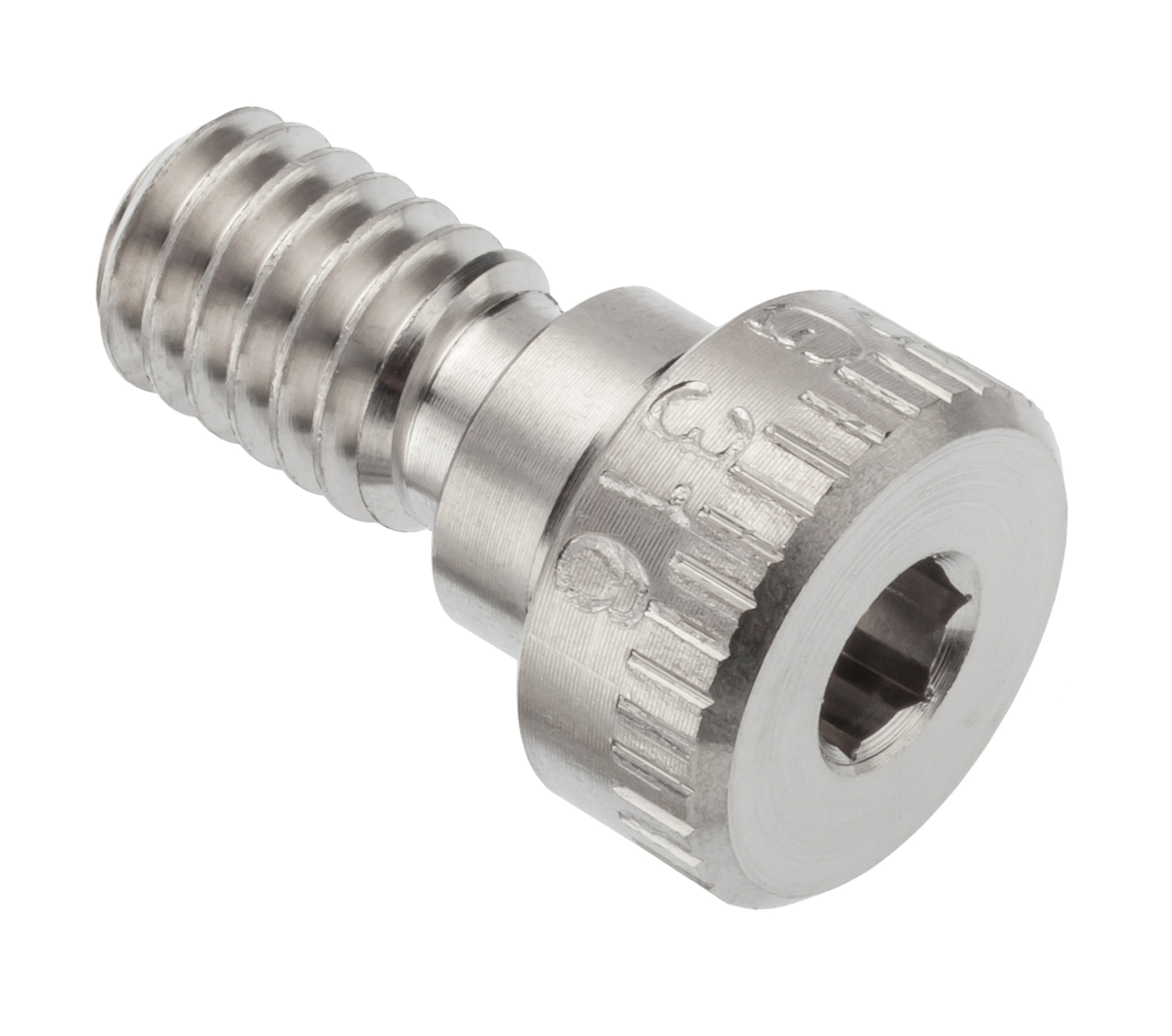
A shoulder bolt is a type of fastener characterized by three distinct sections:
- The head (usually hex or socket style)
- The shoulder (a cylindrical, unthreaded portion)
- The threaded end
This design allows the bolt to act not only as a fastener but also as a pivot, shaft, or dowel. The shoulder provides a smooth surface for rotation or sliding, making it ideal for moving parts in mechanical systems.
Understanding the Shoulder Screw
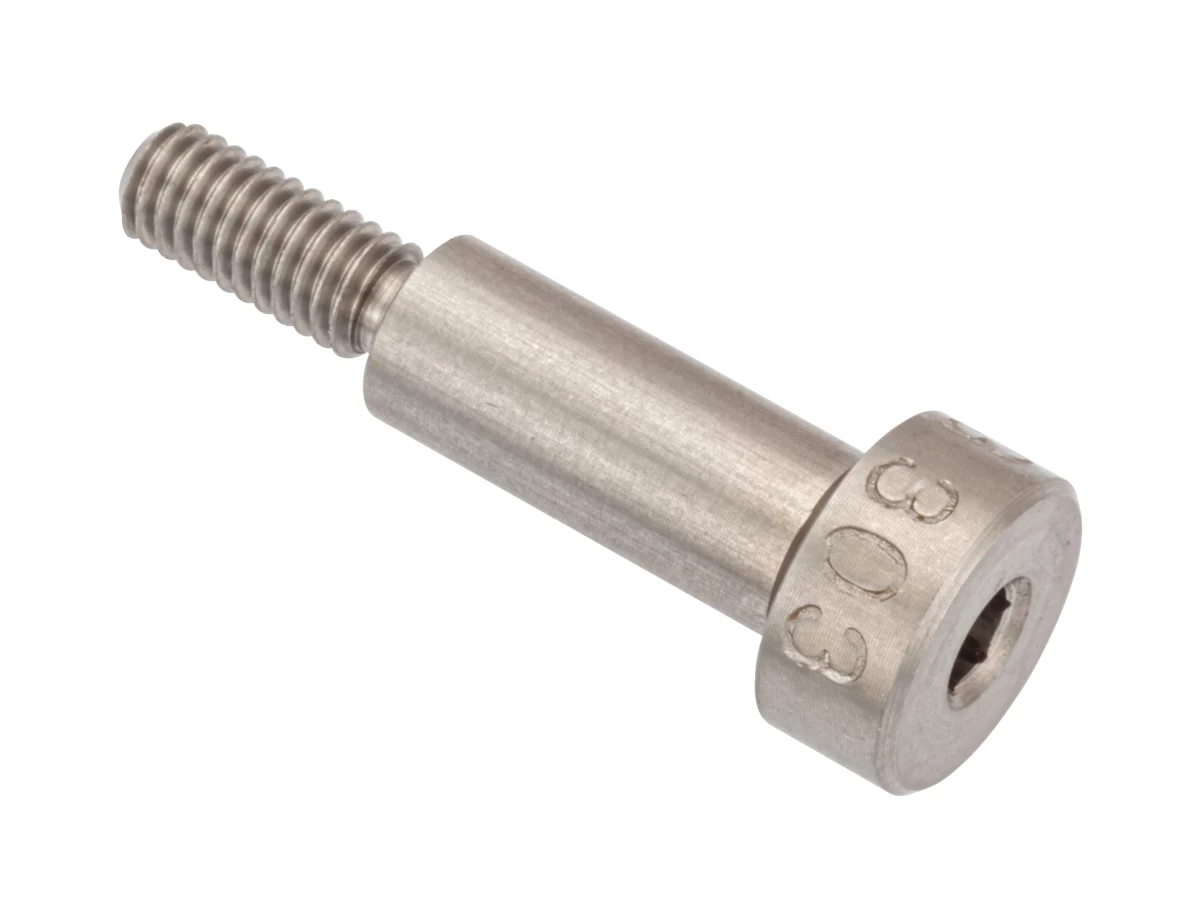
The shoulder screw is essentially the same concept but often referred to in contexts where precision and alignment are emphasized. Engineers use these screws in assemblies requiring exact tolerances, such as robotics, automotive components, and aerospace applications. The cylindrical shoulder ensures stability and reduces wear when parts move against each other.
Key Differences Between Shoulder Bolts and Shoulder Screws
While the terms are often used interchangeably, subtle distinctions exist:
- Terminology: “Bolt” is commonly used in general mechanical contexts, while “screw” is preferred in precision engineering.
- Applications: Shoulder bolts are often found in furniture, sports equipment, and machinery. Shoulder screws are more prevalent in high-precision industries.
- Design Focus: Both share the same structure, but screws emphasize tighter tolerances.
Applications of Shoulder Bolts and Shoulder Screws
Industrial Machinery
In heavy-duty machines, shoulder bolts act as pivot points for levers and linkages. Their smooth shoulder ensures consistent movement without damaging the connected parts.
Electronics and Robotics
The shoulder screw is widely used in robotics, where precise alignment is critical. Its design allows components to rotate smoothly, reducing friction and extending the lifespan of moving parts.
Furniture and Consumer Goods
From chairs to exercise equipment, shoulder bolts provide strength and durability. Their ability to act as both fasteners and axles makes them versatile in everyday products.
Advantages of Using Shoulder Bolts and Shoulder Screws
- Versatility: They serve multiple functions beyond fastening.
- Durability: The shoulder reduces wear and tear on moving parts.
- Precision: Especially with the shoulder screw, tolerances are tight, ensuring reliable performance.
- Ease of Assembly: Their design simplifies installation and maintenance.
Materials and Finishes
Shoulder bolts and screws are available in various materials:
- Stainless Steel: Corrosion-resistant, ideal for outdoor or marine use.
- Alloy Steel: Strong and durable, suitable for heavy machinery.
- Brass or Aluminum: Lightweight options for electronics or decorative applications.
Finishes such as zinc plating or black oxide enhance durability and appearance.
Choosing the Right Shoulder Bolt or Shoulder Screw
When selecting these fasteners, consider:
- Shoulder Diameter and Length: Must match the application’s requirements.
- Thread Size: Ensure compatibility with the receiving part.
- Material Strength: Choose based on load and environment.
For a wide range of options, check out shoulder bolts and shoulder screw collections to find the perfect fit.
Conclusion: Why Shoulder Bolts and Shoulder Screws Matter
In the world of engineering and design, shoulder bolts and the shoulder screw are more than just fasteners—they are precision tools that enable movement, alignment, and durability. Whether you’re building machinery, designing robotics, or assembling furniture, these components ensure reliability and performance. Their unique design makes them indispensable, bridging the gap between fastening and functionality.
By understanding their applications and advantages, you can make informed choices that enhance the efficiency and longevity of your projects. Ultimately, the right shoulder bolt or shoulder screw can transform a simple assembly into a durable, high-performing system.